What is drayage? From the port to your dock
What is drayage? The short move that gets your container off the port and into the rest of its journey: port drayage explained, and drayage vs trucking.
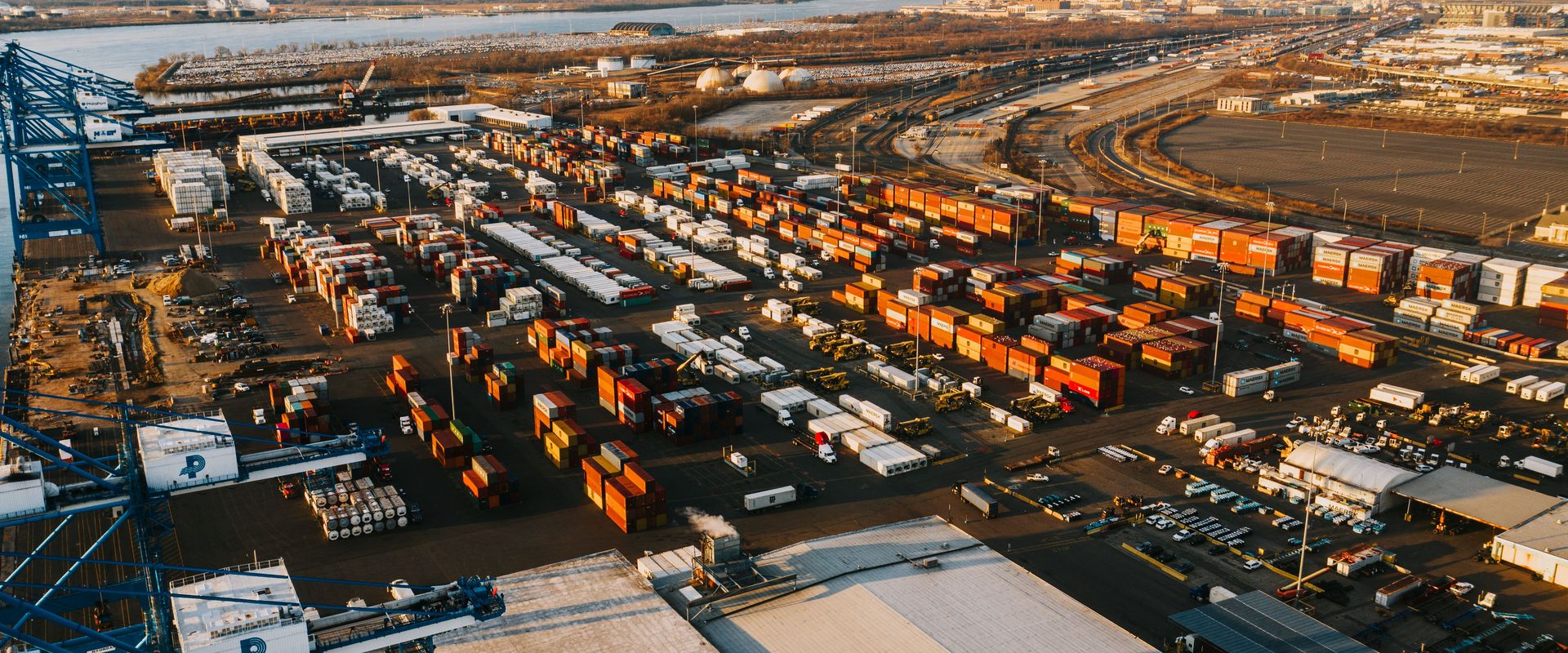
Drayage is the short move that gets a shipping container from the port, rail ramp, or terminal to a nearby warehouse or unloading point. It’s a separate leg from the longer domestic trucking that follows, priced and scheduled differently because of the container itself. Importers who understand that difference can plan the handoff between the two legs instead of getting caught off guard by it.
What is drayage, exactly?
Drayage is the short move of a shipping container from a port, rail ramp, or terminal to a nearby warehouse, distribution center, or wherever the freight gets unloaded. It’s a local, point-to-point haul, not a long-distance one.
Drayage is the first step after your container comes off the vessel or train. Next comes a different kind of move: the LTL or FTL leg that carries your freight from that local warehouse to its final destination, which might be a few states away or clear across the country. Both are trucking, but they’re different jobs, with different equipment, different pricing, and often different carriers.
Who handles drayage
Most drayage runs through carriers who specialize in it: companies built to move containers in and out of port and rail facilities, who know the terminal gate procedures, the appointment systems, and the container-specific equipment the job requires. Standard truckload carriers, the ones hauling dry van or reefer freight over the road, generally aren’t set up to do this work.
Depending on how your shipment is set up, you can arrange drayage yourself, or your ocean carrier or freight forwarder can fold it into the import move, or a broker can coordinate the handoff to the next leg through our import domestic-leg desk. Either way, drayage is normally a separate arrangement from your domestic trucking, even when one company is helping coordinate the whole trip.
Drayage vs trucking: why it is priced and handled differently
Standard truckload and LTL pricing is built around distance, weight, and freight class. Drayage has a few extra variables that don’t apply to regular trucking.
Start with the chassis. Containers don’t have their own wheels, so moving one by road means finding a chassis, the wheeled frame it sits on for the trip. Port and rail congestion is another factor: drayage carriers work inside terminal gate systems, appointment windows, and queues they don’t control.
Then there’s per diem and detention, charges tied to the container itself rather than just the truck. Steamship lines and railroads allow a set number of free days to return an empty container after it’s unloaded. Once that window closes, per diem starts accruing. Detention is a separate charge for keeping the truck and driver waiting.
After the container arrives: devanning and the next leg
Once the container reaches its unloading point, it has to be devanned, the industry term for unloading everything inside it. You’ll also hear it called deconsolidation, especially when a single container holds freight for multiple customers or destinations that need to be sorted and separated. The goods usually get restacked onto pallets so they can move on standard freight equipment.
This is the handoff point. Drayage is the first mile after your container leaves the port. Once the container is devanned, the freight is ready for the LTL or FTL leg that gets it to its actual destination. Once your container has landed and been devanned, we quote and move the freight the rest of the way. See the domestic-leg checklist for exactly what to have ready.
Quick answers
Is drayage the same as trucking?
Not exactly. Drayage is the short move of a container from the port or rail ramp to a nearby warehouse or unloading point. Regular trucking, whether LTL or full truckload, is the longer domestic leg that moves your freight from that point to its final destination.
How much does drayage cost?
There’s no flat rate. Drayage pricing depends on the distance from the port or rail ramp to the unloading point, chassis availability, how congested the terminal is, and whether the container risks running into per diem or detention charges.
What does devanning mean?
Devanning is the industry term for unloading a shipping container. Once the container reaches its destination, workers take the freight out, often restacking it onto pallets for the next leg. You may also hear it called deconsolidation.
Container landed? We take it from here.
“What is drayage” answered, the next leg is ours: send us the destination and ready date once devanning is done, and we’ll quote the domestic leg.