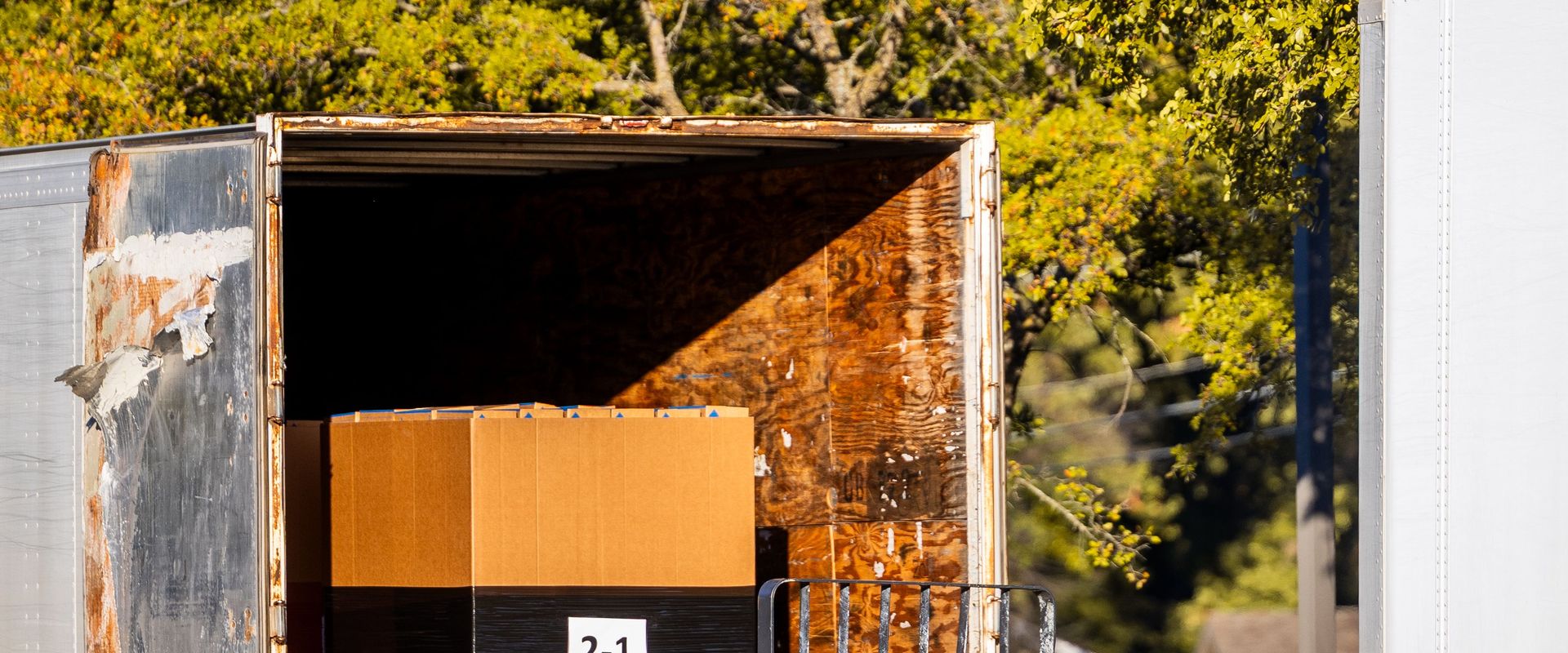
How to ship a pallet: your first LTL shipment
How to ship a pallet when it is your first LTL shipment: palletizing freight, the paperwork, and the few new steps between parcel and freight. Here’s the whole thing.
- Palletize it. Stack boxes squarely on a standard 48×40 pallet, don’t overhang the edges, and shrink-wrap the load tightly to the pallet.
- Weigh and measure. Get the total weight and the pallet’s length, width, and height. Accurate numbers here keep your quote and your invoice the same.
- Know your class. Don’t know it? Most first-time shippers don’t. Send us the weight and dimensions and we’ll confirm it free before you book, or work it out yourself with the freight class density chart. The right class up front is the single best way to avoid a surprise charge.
- Get a quote and a BOL. We quote the lane and generate the bill of lading, the contract that travels with your freight.
- Flag accessorials. Tell us if pickup or delivery needs a liftgate, is residential, or requires an appointment. These cost extra, and hiding them just delays the freight.
- Hand it off and track it. The carrier picks up; we track it and keep you posted through delivery.
How to ship a pallet: quick answers
What size pallet should I use?
A standard 48x40 inch pallet is the default for most LTL freight in the U.S. Stack boxes squarely on it, keep the load within the pallet’s footprint, and shrink-wrap it tightly so nothing shifts in transit.
Do I need a bill of lading?
Yes. Every LTL shipment travels with a bill of lading, the contract that lists the shipper, consignee, freight description, weight, class, and accessorials. We generate it when we quote and book your shipment.
What if I don’t know my freight class?
That’s normal for a first shipment. Send us the weight and dimensions and we’ll confirm the class for you, free, before you book.
Ready for your first shipment?
That is how to ship a pallet. Send us what and where, and we’ll handle the class, the BOL, and the accessorials.